Article

Sea Moss and Fitness: How It Can Fit Into Your Routine (Without the Hype)

By Leanne Bedeau-Rogers 28 May 2026 5 min read
Fitness guides Healthy Routines Protein Sea Moss Sea Moss Gel Sensitive Content Wellness
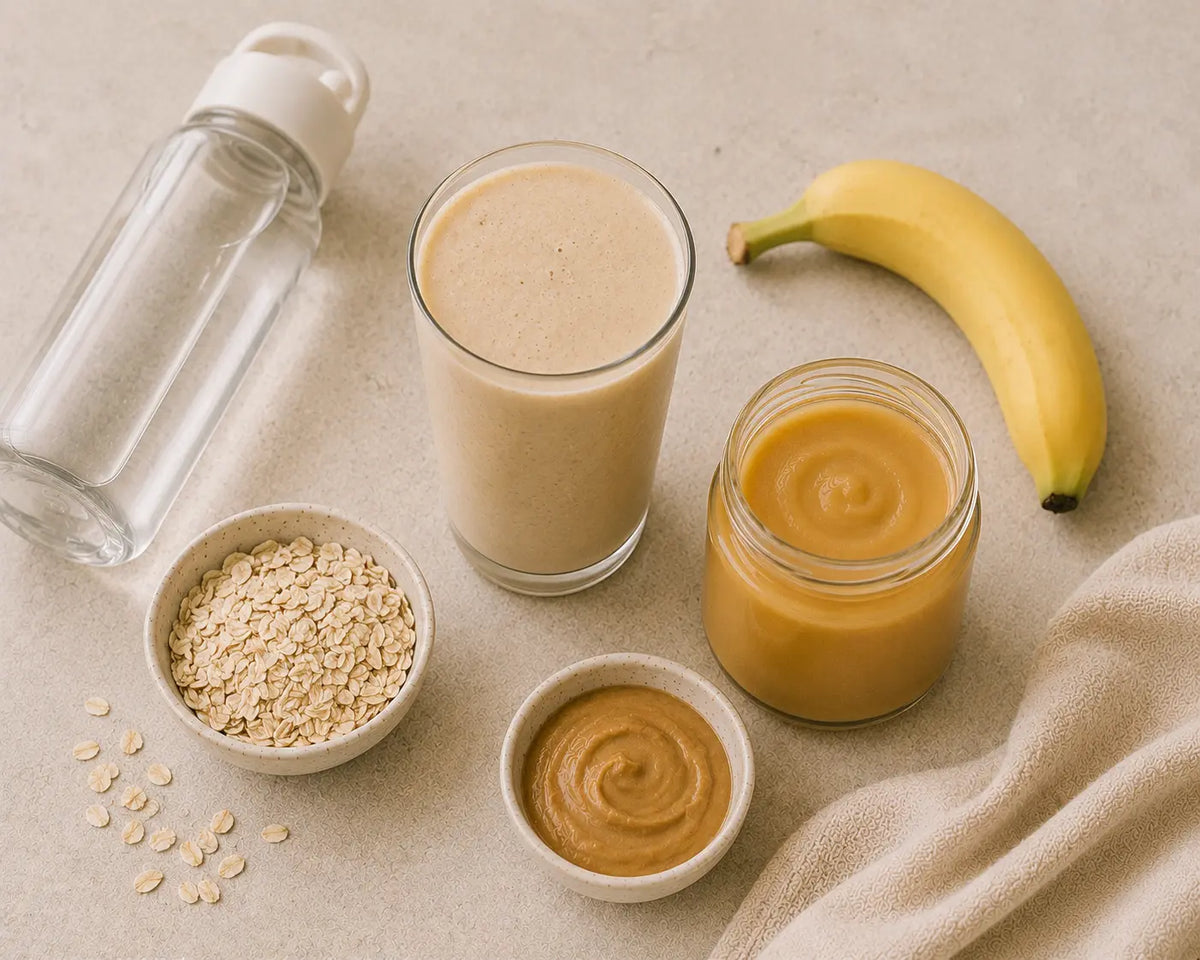
Smoothie, oats, banana, peanut butter and golden sea moss gel on a light stone background.

Sea moss is often discussed in fitness and wellness spaces. You'll see it described as a way to “boost stamina”, “fuel workouts” or “improve athletic performance” — and while those phrases sound appealing, they deserve a bit of unpacking.

The honest answer is that sea moss can be a simple, easy addition to a fitness-friendly routine. But it's not a performance enhancer, a recovery cure, or a shortcut around the things that actually matter: training, food, sleep, and hydration.

Here's a realistic look at how sea moss fits in.

Why do people connect sea moss with fitness?

Sea moss naturally contains minerals and blends easily into smoothies, shakes, oats, and post-workout drinks. For anyone who already leans on smoothies as part of their routine, sea moss gel is a straightforward add-in — it doesn't change the flavour much and sits comfortably alongside other ingredients.

That's really the connection. It's not that sea moss directly drives performance — it's that it can slot neatly into habits you already have.

Can sea moss improve athletic performance?

Not on its own, no. Athletic performance depends on many things: consistent training, recovery, nutrition, hydration, sleep, stress levels, genetics, and overall health.

Adding sea moss gel to a smoothie doesn't change that picture. It's one ingredient among many — useful in context, but not doing the heavy lifting.

What about energy?

Sea moss shouldn't be marketed as an energy booster, and we won't do that here.

If you feel good after a sea moss smoothie, the likely reason is the smoothie itself — the fruit, the carbohydrates, the hydration, and simply eating something consistent and balanced. Sea moss can be part of that drink. But it's not the reason you feel energised.

Food, sleep, and hydration are still doing most of the work.

Sea moss in a pre-workout routine

If you like having a smoothie before you exercise, sea moss gel blends in well. A balanced pre-workout smoothie might include fruit for quick carbohydrates, some fluid, and a protein source if the timing and your needs suit it.

A simple idea to try:

Banana, berries or mango, oat milk or water, one tablespoon of sea moss gel, and a spoonful of yoghurt, nut butter, or protein powder if that works for you.

Keep it light. A heavy drink right before exercise doesn't suit everyone.

Sea moss in a post-workout routine

After exercise, most people focus on hydration, carbohydrates, and protein. Sea moss gel can be added to a post-workout shake or smoothie — but the more important thing is making sure the drink is actually balanced.

A banana and peanut butter protein shake with a tablespoon of sea moss gel, for example, will do a lot more for you than a plain sea moss drink on its own.

Sea moss is not a recovery treatment

This is worth saying clearly: sea moss is not a recovery treatment.

Recovery comes from rest, enough food, proper hydration, sleep, and training at a level your body can adapt to over time. If you're regularly exhausted, unusually sore, dizzy, or struggling to bounce back after sessions, that's worth looking at with a professional — not papering over with a supplement.

Can sea moss replace electrolytes?

No. Sea moss naturally contains minerals, but it shouldn't be used in place of proper electrolyte support during intense exercise, endurance events, hot weather, or heavy sweating.

If you need electrolyte support, choose a product designed for that purpose, or speak with a qualified sports nutrition professional.

Can sea moss replace protein?

No. Sea moss is not a protein source in any meaningful sense for fitness purposes.

If you're including sea moss in your routine, pair it with real food that provides protein — things like yoghurt, milk, protein powder, nut butter, seeds, or eggs, depending on what suits you.

How much sea moss gel should you use?

A common starting point is 1 to 2 tablespoons a day, but always follow the guidance on your product.

For smoothies and shakes, one tablespoon is a simple, sensible amount. More is not automatically better — sea moss naturally contains iodine, and it's best used consistently and sensibly rather than adding it to everything because it feels like the healthy thing to do.

Who should check before using sea moss?

Sea moss may not be suitable for everyone. It's worth speaking to a qualified healthcare professional before using it regularly if you:

  • Are pregnant or breastfeeding.
  • Have a thyroid condition.
  • Take any medication.
  • Already use iodine, kelp, bladderwrack, or other seaweed supplements.
  • Have been advised to limit iodine.
  • Have a medical condition that affects how you exercise.
  • Feel dizzy, faint, unusually breathless, or unwell during or after activity.

If you're training for a specific sport, event, or health goal, working with a qualified nutritionist, dietitian, or coach will always serve you better than guessing with supplements.

What sea moss content shouldn't claim

For anyone writing or sharing content about sea moss and fitness: steer clear of anything that sounds like a guaranteed result.

Sea moss shouldn't be described as something that boosts athletic performance, guarantees endurance, improves stamina, speeds up recovery, builds muscle, burns fat, replaces electrolytes, replaces protein, or works like a pre-workout supplement.

A more honest message: sea moss gel can be added to smoothies, shakes, and recipes as part of a balanced, consistent routine.

Simple ways to use sea moss in a fitness routine

If sea moss suits you, keep it easy. Stir a tablespoon into a banana smoothie, blend it into a peanut butter protein shake, mix it into overnight oats, add it to a smoothie bowl, or use it in no-bake snack recipes.

The goal isn't to turn it into a sports supplement. It's to make it an easy part of foods and drinks you already enjoy.

A note on health

This article is for general information only and is not medical, nutrition, or fitness advice. Sea moss should not be used to diagnose, treat, cure, prevent, or manage any health condition, performance concern, or recovery issue. If you are pregnant, breastfeeding, taking medication, managing a thyroid condition, using iodine supplements, have a medical condition, or are unsure whether sea moss is right for your routine, please speak to a qualified healthcare professional before using it regularly.

Final thoughts

Sea moss can fit comfortably into a fitness routine without needing to be something it's not. Blend it into smoothies, mix it into oats, add it to shakes — and let it be a simple, easy ingredient rather than a magic fix.

Training, food, sleep, and recovery still matter most. Sea moss is just one useful addition to a routine that already makes sense.