Article

Sea Moss vs Shilajit: What's the Difference?

By Leanne Bedeau-Rogers 28 May 2026 5 min read
guides Sea Moss Sea Moss Gel Sensitive Content Shilajit Wellness Ingredients
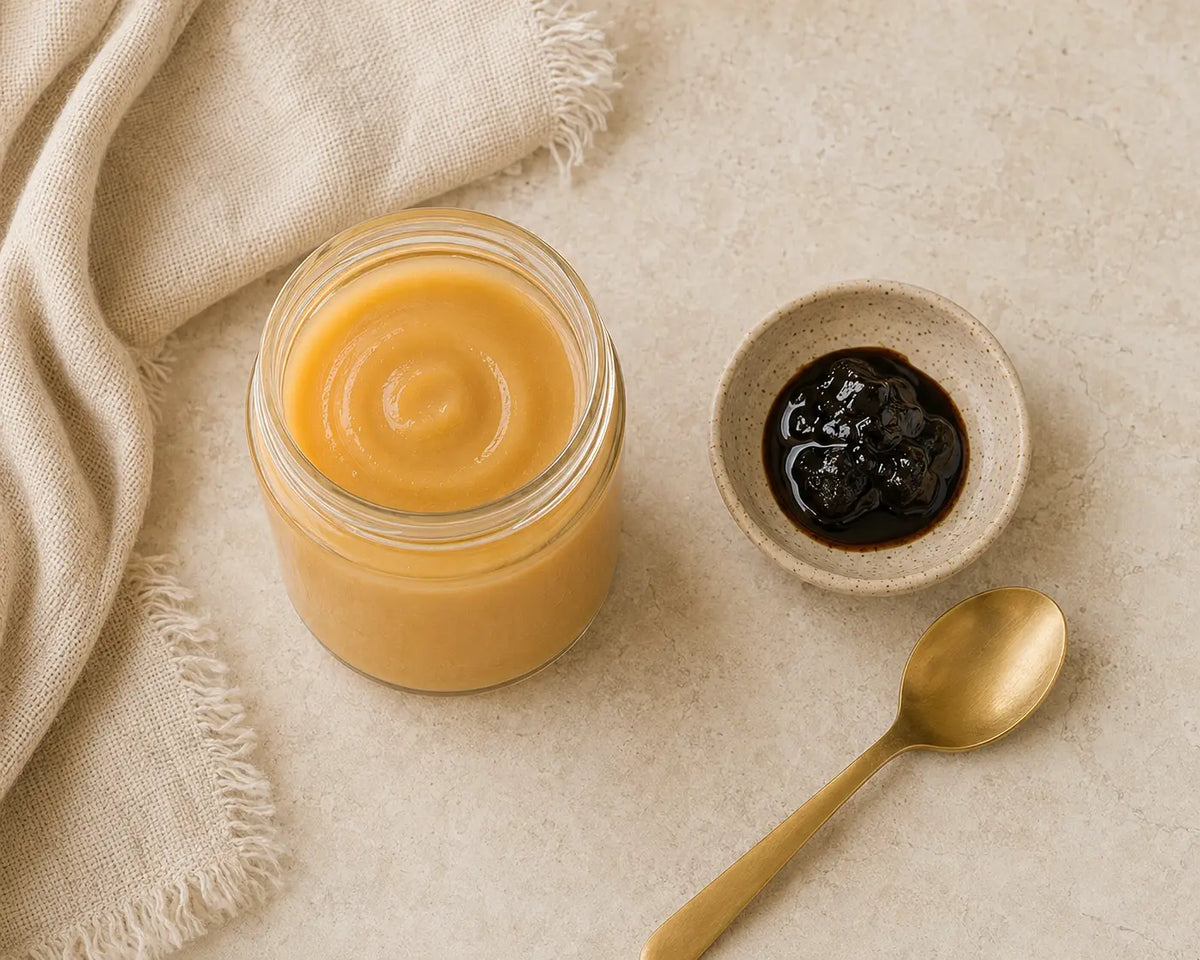
Golden sea moss gel beside dark shilajit resin on a light stone background.

Sea moss and shilajit are two ingredients that come up a lot in wellness conversations — but they are very different things.

One is a seaweed harvested from the ocean. The other is a mineral-rich substance found in mountain rock deposits. One is commonly prepared as a gel or used dried. The other is usually sold as a resin, powder, or capsule.

Both have built up an online following, but popularity does not always come with clear information. So before adding either to your routine, here is a straightforward look at what they are, how people use them, and what to be aware of.

What is sea moss?

Sea moss is a type of edible seaweed that grows along coastlines and in the ocean. It has been used as a food ingredient for a long time, particularly in coastal communities across Ireland, the Caribbean, and beyond.

It is most commonly cleaned, soaked, and blended into a smooth gel, which can then be stirred into smoothies, teas, oats, juices, soups, and sauces. You can also find it in dried form or as capsules.

Sea moss naturally contains minerals, including iodine, so it is best used sensibly as part of a balanced routine.

What is shilajit?

Shilajit is a dark, sticky substance that forms gradually in rock layers over long periods of time. It is most commonly associated with mountain regions such as the Himalayas, though it is found in other high-altitude areas.

It is usually sold as a resin, powder, or capsule and is typically used more as a supplement than as a food ingredient.

Because shilajit can vary considerably in quality and purity depending on the source, it is especially important to buy from a reputable brand and check whether the product has been independently tested.

The main difference between sea moss and shilajit

The biggest difference is where they come from and how they are typically used.

Sea moss is a seaweed often used as a food ingredient — blended, stirred in, or cooked with. Shilajit is a mineral-rich resin-like substance and is usually taken more like a supplement.

They have different textures, flavours, storage requirements, and safety considerations. Neither should be treated as a quick fix or a replacement for a balanced diet.

Quick comparison

Feature Sea moss Shilajit
Origin Seaweed from the ocean Mineral-rich substance from rock deposits
Common forms Gel, dried, capsules Resin, powder, capsules
How it is used Added to smoothies, teas, oats, and recipes Taken as a supplement, mixed into water, or swallowed as capsules
Taste Mild, lightly ocean-like Earthy, bitter, mineral-like
Storage Gel needs refrigerating Depends on format — check label guidance
Key consideration Contains natural iodine Quality and purity vary widely

How do they taste?

Sea moss gel has a mild, lightly ocean-like flavour. When blended into a smoothie or stirred into porridge, the taste tends to fade into the background — which is part of why it works so well as a recipe ingredient.

Shilajit has a much stronger, more distinctive flavour. It is often described as earthy, smoky, or mineral-like, and can take some getting used to.

If taste is important to you, sea moss gel is generally easier to incorporate into everyday food and drink.

Which one is easier to use?

Sea moss gel tends to be the more versatile option if you enjoy adding ingredients to meals and drinks. It mixes well with:

  • Smoothies and juices
  • Tea
  • Porridge and overnight oats
  • Soups and sauces

Shilajit is more like a traditional supplement. Depending on the format, it is usually dissolved into warm water or taken as a capsule.

The right choice comes down to your routine. If you like recipe-based wellness habits, sea moss gel may feel more natural. If you prefer a supplement approach, shilajit may be worth researching carefully — but only if it is appropriate for your circumstances.

Can you take sea moss and shilajit together?

Some people do use both, but that does not mean it is right for everyone.

Both products contain naturally occurring minerals, and combining multiple supplements can sometimes complicate things — particularly if you are also taking medication or managing a health condition.

If you are considering using sea moss and shilajit together, it is worth speaking to a qualified healthcare professional first. This is especially important if you are pregnant, breastfeeding, taking any medication, managing a thyroid condition, or have any ongoing health concerns.

Which one fits your routine?

Neither one is automatically “better” — they are simply different.

Sea moss may be a good fit if you want a food-friendly ingredient that blends easily into your everyday routine. Shilajit may appeal to those who prefer a supplement-style product, though quality and suitability matter greatly.

A more useful question than “which is more powerful?” is: which one fits my routine, my diet, and my personal health context?

Sea moss may suit you if:

  • You want something you can add to food and drinks.
  • You enjoy smoothies, teas, porridge, or juices.
  • You prefer a mild flavour.
  • You like food-based wellness habits.
  • You are happy to store a gel in the fridge.

Shilajit may suit you if:

  • You prefer taking a supplement.
  • You are comfortable with a stronger, earthier taste.
  • You have checked the product quality carefully.
  • You have confirmed it is suitable for you personally.
  • You prefer resin, powder, or capsule formats.

What to look for when buying sea moss

When choosing a sea moss product, look for clear and honest product information:

  • A straightforward ingredient list.
  • Sourcing information.
  • Storage and serving guidance.
  • A clear use-by date on gels.
  • A transparent brand with contact details.

Be cautious of any brand making dramatic health claims or suggesting that sea moss can cure, treat, or prevent medical conditions.

What to look for when buying shilajit

With shilajit, quality really matters. Because it is sourced from mineral deposits, poorly produced products may raise concerns around contaminants and purity. Look for:

  • Third-party testing information.
  • Clear usage guidance.
  • Full ingredient transparency.
  • Sourcing information where available.
  • Honest warnings about suitability.

If a product is making bold promises or vague claims, that is a good reason to pause and dig deeper before buying.

Can sea moss or shilajit replace a balanced diet?

No — and it is worth saying clearly.

Neither sea moss nor shilajit should replace proper meals, good hydration, sleep, movement, or medical care. They may fit into a wider wellness routine for some people, but they are not shortcuts around the basics.

Medical disclaimer

This article is for general information only and is not medical advice. Sea moss and shilajit may not be suitable for everyone. If you are pregnant, breastfeeding, taking medication, managing a thyroid condition, or have any ongoing health concerns, please speak to a qualified healthcare professional before using either product.

Final thoughts

Sea moss and shilajit are often mentioned in the same breath, but they are quite different products with different origins, textures, uses, and things to watch out for.

Sea moss is a seaweed most commonly used as a gel or as a food ingredient. Shilajit is a mineral-rich substance usually taken as a supplement.

Choose based on your routine, preferences, product quality, and whether it suits your personal health context — not because something went viral.